Different Types of Warts and How They're Treated
Nov 03, 2026
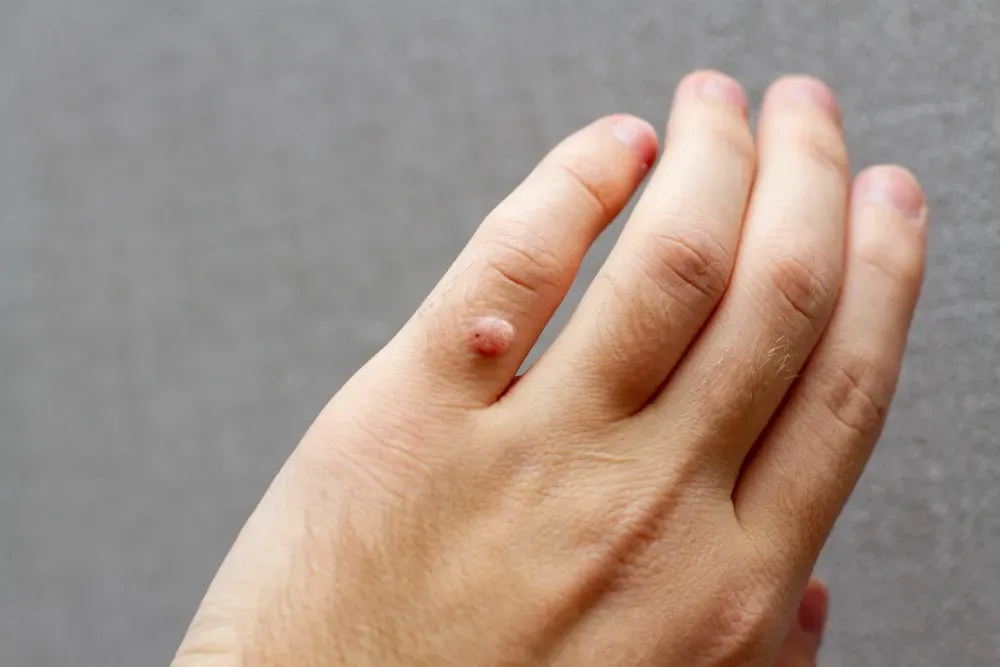
Warts are benign skin growths caused by the human papillomavirus (HPV). If you have ever noticed a rough bump on your skin, you might be dealing with a wart. They’re incredibly common, but they can be frustrating and stubborn to treat.
At Dermatology Associates of Western Pennsylvania, our providers help patients understand their skin and find the right solutions. Our team provides expert care for all types of warts.
While some people believe these growths disappear quickly on their own, this is rarely true for adults. A review in Advances in Skin & Wound Care notes that warts in children regress much faster than those in adults.
However, without treatment, warts can last for a year or more, and therapy is often necessary to clear the wart virus and prevent it from spreading.
Adults typically experience four main types of warts: common, plantar, flat, and periungual warts, which look different depending on where they grow.
This type of wart usually grows on the fingers and hands, appearing as rough, grainy bumps.
These develop on the soles of the feet (plantar surface) and can make walking uncomfortable.
These are smaller and smoother and often appear in larger numbers on the face or legs.
These grow around or under the fingernails and toenails.
We diagnose these growths by looking closely at your skin's natural lines. The virus causes skin cells to grow rapidly, which disrupts these lines. If you notice a growth that interrupts your normal skin patterns, it is likely a wart.
Dermatologists use several professional methods to remove warts, ranging from prescription-strength topicals to in-office procedures. The right treatment depends on the wart's type, size, and location.
For many patients, we start with conservative options. The American Academy of Dermatology states that active treatment helps clear warts more quickly. A common first step is topical salicylic acid, which is available over the counter.
Of note, you should never try to “dig out” or shave a wart at home due to the risk of infection. These actions can also spread the virus and subsequent warty growths over other areas.
We may also recommend in-office treatments like cryotherapy. During this procedure, we apply liquid nitrogen to freeze the wart. The treated area typically heals within four to seven days, though you may need multiple sessions to fully clear the virus.
Because freezing can cause temporary blistering or scarring, we carefully evaluate whether it is safe for highly visible areas.
When standard freezing or acid treatments fail to clear a stubborn wart, we can use advanced therapies to target the virus directly. These options are designed for recalcitrant warts that resist traditional treatments.
For instance, we may recommend intralesional immunotherapy. A systematic review in JAAD International confirms that injecting an antigen directly into the wart is an effective second-line treatment. This injection stimulates your body's immune system to recognize and fight the virus from the inside out.
We customize every treatment plan to your specific needs. We ensure you feel supported at every step of your recovery.
You do not have to live with the discomfort or embarrassment of stubborn warts. If you are ready to find a lasting solution, contact our team at Dermatology Associates of Western Pennsylvania in Coraopolis, PA to schedule an appointment.